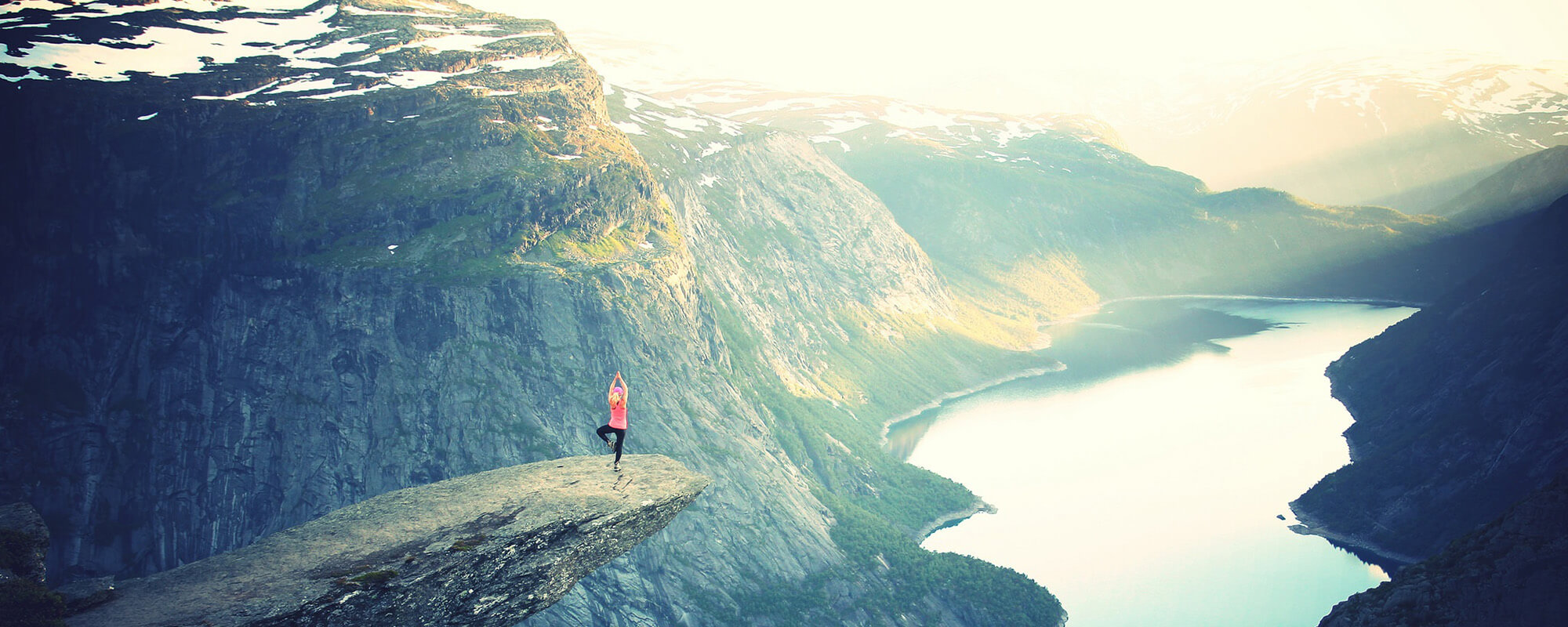
10 Day Norway Itinerary: The Ultimate Road Trip through the Fjord Region

Bilderesultat for fjords
Photo: www.fjords.com

This fantastic article was written by Julie. You can read more about Julie and her blog Earthtrekkers here

For hikers and outdoor enthusiasts, this Norway itinerary is perfect. In 10 days, you will be able to do four amazing hikes. Be daring and stand on Kjeragbolten, hike out to Trolltunga and pose for the camera, enjoy epic views out to the Atlantic Ocean from Romsdalseggen, and hike Norway’s most popular hike, Pulpit Rock. Mixed in with the hiking days are visits to quaint coastal towns, scenic drives along the fjords and through the world’s longest tunnel, and a chance to experience some of the best that Norway has to offer.

Norway is a gorgeous country, and on this itinerary you get to see it via car, ferry, airplane, train, and your own two feet. In our opinion, there is no better way to see Norway than by hiking!

This Norway itinerary is good for:

  • Epic hiking
  • Scenic Drives
  • Fjords
  • Quaint Coastal Towns

10 Day Norway Itinerary

Day 1: Arrive in Oslo, fly to Stavanger
Day 2: Pulpit Rock hike
Day 3: Kjeragbolten hike
Day 4: Bergen
Day 5: Hike to Trolltunga
Day 6: Norway in a Nutshell
Day 7: Scenic Drive to Geiranger
Day 8: Geirangerfjord
Day 9: Romsdalseggen Ridge Hike
Day 10: Ålesund, fly to Oslo

Day 1

Arrive in Oslo, Fly to Stavanger

Arrive in Oslo and catch a connecting flight to Stavanger. Stavanger will be your home base for the next three nights. From here, you will hike to Pulpit Rock and Kjeragbolten.

Have dinner, get some rest, and tomorrow will be the first Norwegian hike.

Where We Stayed in Stavanger: The Comfort Square Hotel. This modernly decorated hotel (with interesting artwork) is located within the heart of Stavanger. Take-away breakfast is available, perfect if you want to grab breakfast and get an early start hiking.


Day 2

Hike to Pulpit Rock

Stavanger is connected to Pulpit Rock by public transportation. After breakfast at your hotel, catch the ferry from Stavanger to Tau. This is a twenty-minute scenic ferry ride, giving you your first glimpse of the Norwegian fjords.

Stavanger Ferry

Once in Tau, there is a bus service that will drive visitors to the start of the Pulpit Rock hike.

The hike to Pulpit Rock is Norway’s most iconic hike, with views of the Lysefjord and this slab of rock that almost looks like it is from another planet. This giant monolith is also known as Preikestolen.

The hike is five miles round trip, the shortest on this itinerary. It is an easy hike that anyone with average fitness can do, including children. Since it is Norway’s most popular hike, expect lots of crowds, especially during the peak travel season from June through August.

Learn more: How to Hike to Pulpit Rock

Pulpit Rock
Pulpit Rock August
Earth Trekkers Scandinavia

To get back to Stavanger, take the bus to Tau and the ferry to Stavanger. There should be plenty of time for dinner in Stavanger.

We ate at ND Sorensen’s Dampskibsexpedition Pub. The food was fantastic but it was expensive. Well, this is Norway, one of the most expensive destinations in the world. Expect to pay $30 to $40 for an entrée and $10 for a beer.


Day 3

Kjeragbolten Hike

This was our favorite day while visiting Norway. The hike to Kjeragbolten is epic, with some of the best views of the fjords in Norway along with that chance to step out onto the boulder…if you so dare!

Kjeragbolten Map

Kjeragbolten is located two hours away from Stavanger (140 km) and there are two ways to get there: a bus service that only runs during the peak summer months, or by rental car. We chose the rental car option. For four people this was more economical and more convenient.

The hike to Kjeragbolten is 12 km round trip, taking hikers between 5 and 7 hours to complete the hike. It is longer and more strenuous than Pulpit Rock, with sections of rock scrambling and chain-assisted climbing, which made this the favorite hike in Norway for Tyler and Kara. The views along the way are unbelievable. Even if you have no plans to step out onto Kjerag, this hike is still absolutely worth it for the views along the way.

Hiking Norway with Kids
Earth Trekkers Norway

The infamous boulder is wedged between two rock faces 1000 meters off of the ground. It’s a crazy thing to do but one of our favorite traveling memories, for sure!

Kjeragbolten
Best Hike Norway

For more on hiking to Kjeragbolten (including details on how to get here), check out these posts:

The Kjeragbolten Hike: A Complete Guide

Kjeragbolten: Our Favorite Hike in Norway

After the Kjeragbolten hike, if you are up for another adventure, then you might consider driving down (and then back up) Lysevegen Road. It is a narrow road with 32 sharp bends, an average gradient of 9.4%, and an elevation difference of more than 800 meters (2600 ft) over only 5.8 km (3.6 miles). And if that isn’t crazy enough then there is a tunnel near the bottom that turns 340 degrees.

If you are up for this adventure, like we were, then when you pull out of the Kjerag parking lot turn left and you’ll start going down this dangerous, windy, switchback road almost right away. This road connects the Kjeragbolten car park with the town of Lysebotn.

Drive two hours back to Stavanger, return the rental car, and get a good night’s sleep.


Day 4

Bergen, Norway

Take a morning flight from Stavanger to Bergen. It is possible to take a bus or a ferry to Bergen, but this takes five hours and you need that time today to tour Bergen.

Once in Bergen, rent another car. You will have this car until you reach Ålesund on day 10.

Most of the day is available for exploring Bergen, a coastal town that was once a German settlement. Have lunch at the fish market, wander the cobblestoned streets, take the funicular up the hillside for the best views over Bergen, and explore Bryggen, the location of the Hanseatic houses along the harbor.

Bergen Norway
Bergen

Once finished in Bergen, you will drive to a town near the Trolltunga hike.

You have several options where to stay near the Trolltunga hike. Odda and Tyssedal are the two towns located closest to the hike. From Bergen, it takes about three hours to drive to these towns.

You can also stay in Kinsarvik or Eidfjord. These two towns are north of Trolltunga, so you will have a longer drive to get to the trailhead for Trolltunga. However, since you are farther north, you will do less driving on day 6 when you go to Flåm.

On the drive, there are two waterfalls you can stop and visit. Steinsdalsfossen is a waterfall that is visible from the road. You can follow the footpath behind the waterfall. Twenty minutes east of Eidfjord is Vøringfossen, a stunning waterfall that you can hike to.

For recommendations on where to stay near the Trolltunga hike, read our article Where to Stay Near Trolltunga.


Day 5

Trolltunga

Today is another day of epic hiking and a chance to see more of iconic Norway.

If you stayed in Eidfjord or Kinsarvik, it is an hour drive south to Tyssedal and the start of the Trolltunga hike. The views along the way were some of my favorites in Norway.

Eidfjord
Norway Road Trip

Several years ago, the hike started as a 1 km strenuous walk up an old funicular track. That is now closed. There are now several options for hiking to Trolltunga.

Option 1 is to hike the switchback trail near the funicular track. This is strenuous but once at the top, it is mostly easy-going for the rest of the hike out to Trolltunga. Option 2 is to arrive very early in the morning and be one of the first cars to park in the new, upper parking lot. This drive lops off the first major descent of the hike and can save you hours of time. But you need to get here very early in the day. Read our Trolltunga article for more information.

Option 3, the Sky Ladder, is a tour that has visitors cycling and then climbing a Via Ferrata, finishing the journey not far from Trolltunga.

After the first major climb, whether you did on foot or by car, you are treated to amazing views. And then, of course, you get to step out onto Trolltunga.

Norway Hiking
Trolltunga

The hike to Trolltunga takes 8 to 10 hours to complete, going 23 km total. After completion of the hike, drive back to your hotel.

Read More: Hiking Trolltunga: Everything You Need to Know to Have the Best Experience


Day 6

Norway in a Nutshell

The Norway in a Nutshell tour is a very popular excursion for first-time visitors to Norway. This tour includes a cruise on Naeroyfjord (a UNESCO World Heritage Site and the narrowest fjord in Norway) and Aurlandsfjord, a railway journey to and from Myrdal, and a spectacular view of the Naeroydalen valley from the Stalheim Hotel.

Flam Norway

If you are following our itinerary and/or have your own transportation, then it is not necessary to book the organized tour. You can follow our guide on how to do Norway in a Nutshell on your own. You’ll want to drive to the Stalheim Hotel, where our guide begins.

Read more about this full day itinerary, including what to see on the drive from Eidfjord to Flåm: 

How to do Norway in a Nutshell on your own

Naeroyfjord

Once the tour is over it is time to drive to Balestrand. On the way, and only about 30 minutes from Flåm, is the Stegastein Viewpoint, a scenic lookout over Aurlandsfjord. From this viewpoint you can continue along the Aurlandsvegen Snow Road, a high mountain road with spectacular scenery. Or you can back track down the mountain and take the world’s longest tunnel, Lærdalstunnelen (24.5 km or 15.2 miles).

Norway Drive

Where We Stayed in Balestrand: We stayed in the Balestrand Hotel, a nothing fancy, family-run hotel. If you want a nice view, request a room overlooking Sognefjord.


Day 7

Drive to Geiranger

To Geiranger Map

Today is a full day of driving but if you get lucky with the weather (we did not) the scenery is amazing. This drive takes you along fjords and through small towns, giving you plenty of opportunities to stop for food along the way.

Sites to see on the drive between Balestrand and Geiranger include:

  • Likholefossen (we ended up not stopping here ourselves due to a late start)
  • Jostedalsbreen National Park Centre (listed in Google Maps as Jostedalsbreen Nasjonalparksenter) for an education on glaciers
  • Old Strynefjell Mountain Road (Old Road 258) … for the views
  • Videseter Hotel to look at the view of the valley (located on Old Strynefjell Mountain Road)
  • From the Videseter Hotel you can also walk to the Videfossen Waterfall (listed in Google Maps as Buldrefossen)

As you approach Geiranger there are various viewpoints to see:

  • Dalsnibba Viewpoint – highest of the views of valley and fjord. The road here is Norway’s highest car road.
  • Knuten Viewpoint
  • Flydalsjuvet Viewpoint

In the afternoon, you will arrive in Geiranger, a UNESCO World Heritage Site and a fjord known for being one of the most spectacular in Norway.

Where We Stayed in Geiranger: Hotel Utsikten. We chose this hotel for its awesome views over Geirangerfjord. Unfortunately, during our stay in Geiranger, it was wet and foggy and at times we could barely see the fjord from the hotel. If you chose to stay here, hopefully you will have better luck. The hotel is within walking distance of the town, where you can rent kayaks and go shopping. We enjoyed hanging out at the hotel bar at the end of the day, and overall really enjoyed our stay here, despite the rainy weather.


Day 8

Geiranger

There is plenty of time in the day to explore Geirangerfjord before moving on again. There are hiking and biking trails, kayaks to rent, viewpoints to drive to, and the small town of Geiranger to explore and to go shopping.

Kayaking Geirangerfjord

From Geiranger it is a two hour drive to the next town, Åndalsnes. This is another scenic drive and just before arriving in Åndalsnes you will drive the Trollstigen (Troll’s Ladder), a switchback road that is one of the most popular drives in Norway.

Trollstigen

Have dinner in Åndalsnes and get settled into your accommodations. Tomorrow is an early morning.

Where We Stayed in Åndalsnes: We spent two nights at the Trollveggen Campground in Åndalsnes. We slept in cabin #3 and it was adorable.  Tyler and Kara loved it. In fact, they described it as “epic.”


Day 9

Romsdalseggen Hike

Romsdalseggen Sign

Romsdalseggen is an 11 km hike along the spine of a mountain. Although not the longest hike in the itinerary, we found it to be the most difficult. This hike can take 8 to 10 hours to complete.

You can hike this trail from July 1 through September 30, when the shuttle bus is in service. Read our article about the hike for full details.

From Åndalsnes, there is a bus that delivers hikers to the start of the hike. This hike is a point to point hike, starting on farmland and ending in the town of Åndalsnes. Weather can be unpredictable…we were here in August and there was a chance of snow in the forecast.

The hike starts off with a strenuous climb, taking hikers to the spine of the mountain. From here, on a clear day, you can see all of the way out to the Atlantic Ocean. We were not so lucky, but even so, the views were still amazing.

Julie Rivenbark
Romsdalseggen Ridge

Beware of the low cloud cover…this hike goes right along the edge of a mountain and one false step could send you off over the side. Our kids called it “oblivion.”

If you don’t want to hike Romsdalseggen Ridge, or the weather is not cooperating, you have the option to hike to the Rampestreken viewpoint. This viewpoint is located along the Romsdalseggen trail and overlooks Åndalsnes and the valley. It takes roughly 3 hours round trip to hike to the viewpoint. With 700 meters of climbing, it a strenuous walk to get here.

Read More: Hiking Romsdalseggen Ridge

After your hike, enjoy dinner in town.


Day 10

Ålesund and Oslo

From Åndalsnes it is a two hour drive west to Ålesund, another coastal town.

Enjoy the day exploring Ålesund and don’t miss the walk up the hillside to Fjellstua for the best views of the town.

Alesund

In the afternoon, fly to Oslo, completing your tour of Norway.

Where We Stayed in Oslo: The Clarion Royal Christiana. This is a four star hotel located in downtown Oslo within walking distance of the train station and the Oslo Opera House. My favorite thing about this hotel (other than it’s great location) was the huge breakfast buffet.

When To Go

The best time to do this Norway itinerary is between June and September, especially if you plan on hiking these trails. Snow lingers on some of these trails up until June. The earliest you can hike Trolltunga without a guide is June 15, according to the Visit Norway website.

If you are planning a trip to Norway before June with the intent to go hiking, here are some things to consider:

Pulpit Rock: You can hike Pulpit Rock from April to October. For the remainder of the year, the trails will be covered with snow. It is only recommended that you hike Pulpit Rock from November through March with a guide.

Kjeragbolten:  The best time to hike Kjeragbolten is from June 1 through September 31. The bus from Stavanger does not start running until June 1. Before June 1, snow can still cover the roads, so you may not even be able to drive to the start of the hike.

Trolltunga:  June 15 to September 15. All other times of the year you should hike with a guide.

Romsdalseggen Ridge:  June 30 to September 30 (when the shuttle bus is in service).

For your best chance of clear weather, visit Norway in the spring and early summer. In August, rainfall chances increase. It is not unusual to have rainy weather during September and October.

If you do not plan on hiking, some roads on this itinerary can be closed from November through May. Trollstigen and the Aurlandsvegen Snow Road make it onto this list. For a list of possible road closures, plus their dates of opening and closing times, click here.

We did this same itinerary in early August.

Gamlehaugen – The Royal Castle in Bergen, Norway

The Bergen royal castle Gamlehaugen

From the park in front of the Castle

Close up from the frozen garden

One of the many pathways in the park

One of the entrance doors in the castle

Frozen flower decoration

Close up of a red door in the castle

Bust of former Norwegian King Haakon (1872-1957)

The burial place of Christian Michelsen – Prime minister in Norway 1905-1907.

Beautiful frozen moss in the garden

Nice fjord view from the garden

The royal green house

From the frozen beach area

Nasjonaleiendommen Gamlehaugen er den offisielle kongeboligen i Bergen. Det staselige bygget ligger i et parkanlegg på Paradis, like ved Nordåsvannet i Fana bydel.

Lyststedet Gamlehaugen
I middelalderen og fram til svartedøden var det gårdsdrift knyttet til stedet hvor Gamlehaugen ligger i dag. I 1665 ble det igjen jordbruksland knyttet til Fjøsanger hovedgård. I 1808 ble eiendommen skilt ut til Danckert Krohns niese, Marie Krohn. Nyhaugen likeved ble overtatt nevøen Albert Henrik Krohn. På begge eiendommene ble det oppført nye våningshus. Disse var tilnærmet identiske enetasjes bygninger med midtark og avvalmet mansardtak. Gamlehaugen ble senere ombygget til sveitserstil. Nyhaugen ble også ombygget før denne ble revet for å gi plass til ny bebyggelse.

Gamlehaugen ble i 1838 kjøpt av Schack Stenberg. I 1864 kjøpte Ole Bulls sønn, Alexander Bull, eiendommen. Etter to år solgt han den videre til kobbersmed Ole Andreas Gundersen. Den siste eieren som drev Gamlehugen som gård var kjøpmann Anton Mohr, som kjøpte eiendommen i 1878. Da han døde i 1890, solgte enkefru Alethe Mohr eiendommen til murmester J. G. Nilsen og byggmester Arne Gullaksen. Hun fikk forøvrig bo på stedet fram til sin død.

Villa for Michelsen
I 1898 kjøpte rederen og politikeren Christian Michelsen Gamlehaugen. Han fikk revet den eksisterende hovedbygningen for å gi plass for den nåværende bygningen i mur. Denne slottsaktige villaen ble oppført årene 1900–1902 etter tegninger av arkitekt Jens Zetlitz Monrad Kielland.

Gjennom en folkegave ble Gamlehaugen donert som kongebolig til den norske stat i 1925.

Interiør
Hallen er i dragestil og de store dobbeltdørene har stolper med dyrehoder. På dørovestykket finner vi drager i kamp og der en omgitt av et romansk rankeverk. Forbilde er sene 1200-talls og 1300-talls stavkirkeportaler. Trappegelendere og rekkverk har dekor med motiv fra saga og mytologi. Disse arbeidene er utført av treskjæreren Ingebrigt Vik etter arkitekt Kiellands tegninger.

Parken
Villaen på Gamlehaugen er omkranset av et stor park på rundt 120 dekar. Michelsen fikk gartneren Olav Moen til å opparbeide parken rundt villaen i engelsk landskapsstil, med visse trekk av nyformalisme. I 1999 startet et rehabiliteringsarbeid som skulle opprettholde grunntrekkene i Michelsens park og tilføre nye kvaliteter i tråd med vår tid. Det er blant annet bygget nye murer mot veien og opparbeidet en badeplass. Norske anleggsgartnere – NAML tildelte parken utmerkelsen Årets grønne park 2005.[1] Parken er åpen for besøkende, bortsett fra når kongefamilien er i Bergen.

Forvaltning
Eiendommen driftes i dag av Statsbygg etter føringene for forvaltning av gaven. Bygningene og parken er formelt ikke vedtaks- eller forskriftsfredet, men forvaltes gjennom såkalt administrativt vern hvor Riksantikvaren uttaler seg i alle saker som går utover jevnt vedlikehold.

Vil du besøke Gamlehaugen? Sjekk ut Gamlehaugen.no

50 best beaches in Norway – # 8. Sommarøy Beach – Tromsø – Norway

Bilderesultat for sommarøy

Sommarøy er et fiskevær og et tettsted i Tromsø kommune i Troms, helt vest i kommunen. Tettstedet hadde 328[1] innbyggere per 1. januar 2019, mens grunnkretsen Sommarøy hadde 360 innbyggere i 2015.[2] Bebyggelsen finnes hovedsakelig på øyene Store Sommarøya og Hillesøya, som er knyttet til hverandre og Kvaløya med bruer, men det er også mange mindre øyer.[3]

Historie

Forleddet i navnet Sommarøya vitner om sesongvis bruk av plassen, og historikeren Håvard Dahl Bratrein har påvist at nordmenn i 1611/12 betalte ei spesiell avgift til kongen. Denne avgifta ble kalt husfrelse (ei tomteavgift), og den ble betalt for både Hillesøya og Sommarøya. Bratrein tolker det slik at stedene der det blir betalt slike avgifter, har vært brukt og eid av samer, i dette tilfellet av fjordsamer fra Malangen. Sommarøya og andre namn på «Sommar», kan ha vært en del av det Bratrein kaller for den todelte samiske gården med et sommar og et vinterbosted.

Den opprinnelige bebyggelsen lå på Hillesøya. Her finner man fremdeles den gamle kirketomta hvor det har stått ulike kirker fra seinmiddelalderen fram til slutten av 1800-tallet, da kirka ble flyttet til Austein på Brensholmen, inne på selve Kvaløya. Inne i denne kirka finnes det et alterskap fra 1400-tallet, som altså sto over 400 år på Hillesøya. Rundt 1900 ble så Sommarøya selve senteret.

Næring

Østre del av Hillesøya i forgrunnen og Store sommarøy i sentrum. Utsikt fra Nordkollen.Foto: Harald Groven

Hovednæringen er fiskeri, og eksport av sild og torsk har betydelig verdi. I tillegg er reiseliv av stor betydning, og det finnes et hotell med tilhørende rorbuanlegg som ligger på Hillesøya.

Sommarøya har et definert, lite sentrum rundt butikken. Overfor butikken ligger bygdemuseet på Låvhaugen, en fiskerheim fra 1890. Kongeparken med minnesteinen over Harald V og Dronning Sonjas besøk i 1992 ligger bare få meter unna. Sommarøy baptistkirke og husflidshuset ligger like øst for dette.

Sommarøya har flotte, hvite sandstrender. Utsikten mot nord mot skjærgården i Tromsø kommune domineres av klippeøya Håja, som stiger bratt opp av havet. Mot sør sees den bratte nordvestkysten av Senja.

Se også

Referanser

  1. ^ «Tettsteder. Folkemengde og areal, etter kommune.». Statistisk sentralbyrå. 4. november 2019. Besøkt 5. november 2019.
  2. ^ «Tabell: 04317: Folkemengde, etter grunnkrets»19024104 SommarøyStatistisk sentralbyrå. Besøkt 16. oktober 2015.
  3. ^ Sommarøy på Norgeskart.no fra Statens kartverk

Eksterne lenker

Relatert bilde

Fantoft Stave Church


Fantoft kapell, kirke på Fantoft i Fana, Bergen kommune, Hordaland
.

Den gamle stavkirken som opprinnelig stod i Fortun i Sogn ble revet i 1883. Materialene ble kjøpt av konsul Fredrik Georg Gade som gjenreiste den i parkmessige omgivelser på sin eiendom Fantoft der den fungerte som kapell. Ved kirken ble det plassert et steinkors fra vikingtiden. Dette hadde opprinnelig stått på Tjora kirkegård i Sola kommune på Jæren. Stavkirken brant ned til grunnen i 1992. Den nåværende kirken er en kopi av den originale og ble fullført i 1997.

FANTOFTKIRKEN
Den opprinnelige stavkirken ble bygd ca. 1170 som en langkirke med hevet midtrom. Rundt kirken var det en svalgang. I middelalderen ble skipet forlenget ca. tre meter mot vest. På 1600-tallet ble det blant annet bygd til et vesttårn, og det stavbygde koret ble erstattet med et laftet kortilbygg. Ved gjenreisingen etter flyttingen fra Fortun ble kirken konstruert tilbake til sitt antatt opprinnelige utseende. Borgund stavkirke ble i stor grad brukt som forbilde.

BRANN
Den 6. juni 1992 ble kirken påtent og brant nesten ned til grunnen. Det som stod igjen var rester av skjelettet, uten noen bæreevne. Varg Vikernes var mistenkt i saken, men ble frifunnet i retten under dissens. Det ble straks etter brannen kunngjort at en ny stavkirke skulle gjenoppbygges.

Senere brant også en garasje hvor delene av kirken som var blitt reddet under brannen ble oppbevart. Gjenoppbyggingen ble en utfordring for byggmester og tømrer ettersom det ikke var blitt bygget stavkirker i Norge på mange hundre år, og kunnskap om den eksisterende byggeteknikk var beskjeden. De fleste bygningsdelene ble derfor laget på stedet etter oppmålinger og eksisterende tegninger.

GJENOPPBYGGING
Gjenoppbygging av kirken ble igangsatt, og den var ferdig for innvielse i 1997. Dette var en kopi av kirken som hadde brent. Det ble brukt tømmer fra Kaupanger i den nye kirken. Dette var 350-400 år gamle furutrær som vokser i om lag 400 meters høyde over havet. Arkitektene Johan L. Andersen og Kjell H. Irgens ledet arbeidet med gjenoppbyggingen av stavkirken. Prosjekt- og byggeledelse ble utført av ingeniør Egil O. Laastad. Byggmester var Ole Johan Minde.

Want to visit? Check out VisitBergen